
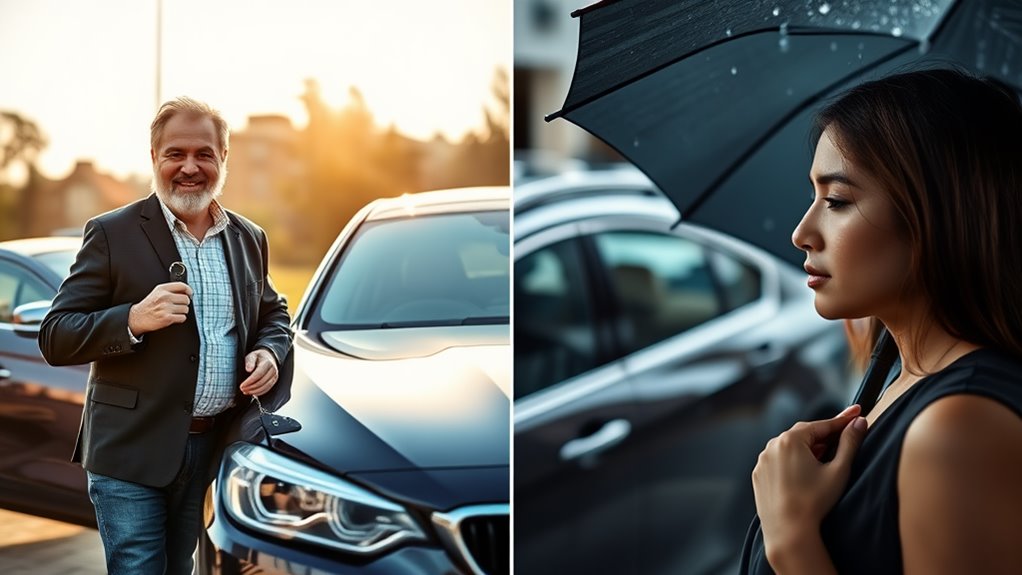
Maneuvering the world of SR22 insurance can feel like deciphering an ancient code. When it comes to Owner versus Non-Owner SR22 insurance, the distinctions can greatly impact your coverage and costs. Understanding these differences is essential, especially if you drive frequently or rely on borrowed vehicles. Which policy aligns better with your situation? Let's break it down and uncover what you need to know.
When you find yourself needing SR22 insurance, understanding the differences between owner and non-owner policies is vital. An SR22 isn't an insurance policy itself but a document your insurer files with the state, proving you meet the minimum liability insurance coverage. It's typically required after serious driving offenses, such as DUIs or license suspensions, and shows that you're financially responsible, especially if you're classified as a high-risk driver.
Owner SR22 insurance applies to drivers who own and operate their vehicles. If you've had notable infractions while driving your own car, this type of policy is necessary. It usually costs more than non-owner policies due to the value and usage of the vehicle. The coverage often includes liability protection, with options for extensive and collision coverage, which can offer peace of mind for your personal vehicle. Both types are considered high-risk insurance due to poor driving records, which means that premiums can be higher for those with serious infractions. In some cases, the SR22 requirement may last longer than three years, and you'll need to maintain this policy for a state-specified duration, often around three years, to comply with legal requirements.
Owner SR22 insurance is essential for drivers with infractions who own vehicles, offering crucial liability protection and broader coverage options.
On the other hand, non-owner SR22 insurance is designed for drivers who don't own a vehicle but still need to drive borrowed or rented cars. If you've committed serious offenses but lack ownership of a car, this is the right option for you. It provides liability coverage for personal injury and property damage to others, fulfilling the minimum requirements without the need for vehicle ownership.
Generally, non-owner policies are less expensive than owner policies since they don't involve vehicle-specific premiums. However, it's essential to remember that non-owner coverage won't protect you for injuries you might sustain in an accident.
The primary distinction between these two policies lies in their focus. Owner SR22 covers your own vehicle, while non-owner SR22 addresses liability when you drive someone else's vehicle. This difference greatly impacts cost structure; non-owner insurance is typically cheaper because it doesn't require vehicle-specific premiums.
Additionally, owner policies offer broader coverage options, including extensive and collision, which may be necessary for frequent drivers. If you own a car and drive it regularly, an owner SR22 might be more cost-effective in the long run.
Choosing between these two options depends largely on your circumstances. If you own and regularly drive your vehicle, owner SR22 insurance is the way to go. It offers more extensive coverage and can be tailored to meet your specific needs. Compliance with state laws is vital to maintain your driving privileges, especially after severe infractions.
Conversely, if you don't own a vehicle and primarily borrow or rent cars, a non-owner SR22 is a suitable choice. It's generally more budget-friendly and still meets legal requirements, making it ideal for temporary driving needs.
Conclusion
Choosing between owner and non-owner SR22 insurance is like steering through a fork in the road. If you own a vehicle, the owner policy is your compass, guiding you with thorough coverage. On the other hand, if you're borrowing or renting, the non-owner policy is a trusty map, ensuring you're covered on your journey. Understanding your unique driving habits helps you select the right path, leading to peace of mind and legal compliance on the open road.